Best Offline Vocabulary Apps in 2026
The best vocabulary apps that work fully offline in 2026, compared on word count, spaced repetition, widgets, and price — so you can learn anywhere.

TL;DR — If you need to study with no connection — on a plane, a subway, or off-grid — the best vocabulary apps to consider in 2026 are Lingufy, Anki, Memrise, Drops, and Duolingo. They differ a lot in how much actually works offline. Only Lingufy and Anki run essentially everything offline, including their spaced-repetition scheduling. Lingufy is the most complete offline-first pick if you want curated vocabulary out of the box; Anki is best if you want to build and control your own decks.
What "offline" really means for a vocabulary app
Most apps advertise some offline support, but the details decide whether it's usable on a flight. Ask three questions:
- Is the content stored on-device? You should be able to study words, examples, and pronunciations with airplane mode on — not just the handful you cached.
- Does spaced repetition run locally? Good scheduling is computed from your review history. If that lives only in the cloud, your reviews stall the moment you lose signal.
- Does progress sync later? Offline study is only useful if it merges cleanly once you reconnect, with no lost reviews.
An app that needs the network to fetch the next word isn't really an offline app — it's an online app with a cache. The distinction matters most exactly when you have time to study: commutes, flights, and dead zones.
How we evaluated these apps
We compared each app on five things that determine real offline usefulness: (1) whether content is genuinely on-device, (2) whether the spaced-repetition algorithm runs locally, (3) how much vocabulary is included versus self-assembled, (4) extras that keep a daily habit alive offline — widgets, watch support, audio — and (5) price, including what's gated behind a subscription. The notes below reflect hands-on use of these apps and their stated offline capabilities as of 2026; features change, so verify the current version before you commit.
The best offline vocabulary apps, compared
| App | Fully offline | Spaced repetition | Word count | Best for |
|---|---|---|---|---|
| Lingufy | Yes | Yes (on-device) | 5000+ per language | Curated vocabulary with widgets, offline-first |
| Anki | Yes | Yes (on-device) | Unlimited (you build decks) | Power users who want full control |
| Memrise | Partial | Yes | Large | Native-speaker video (needs data) |
| Drops | Partial | No (visual drills) | ~2000+ | Fast, game-like word drills |
| Duolingo | Limited | No (lesson-based) | Course-based | Gamified all-round beginners |
A few honest notes on the trade-offs:
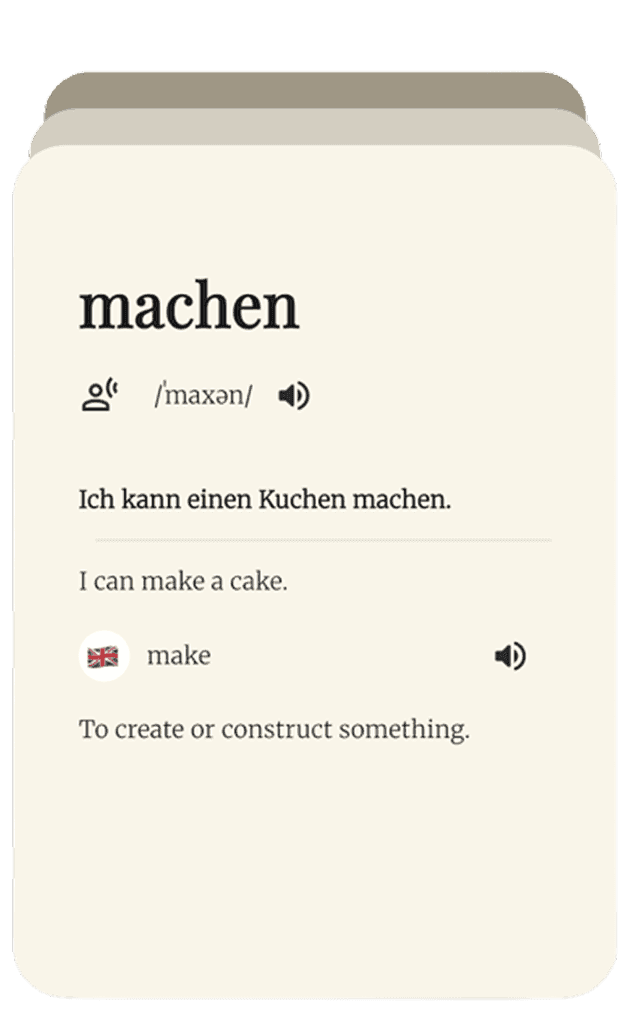
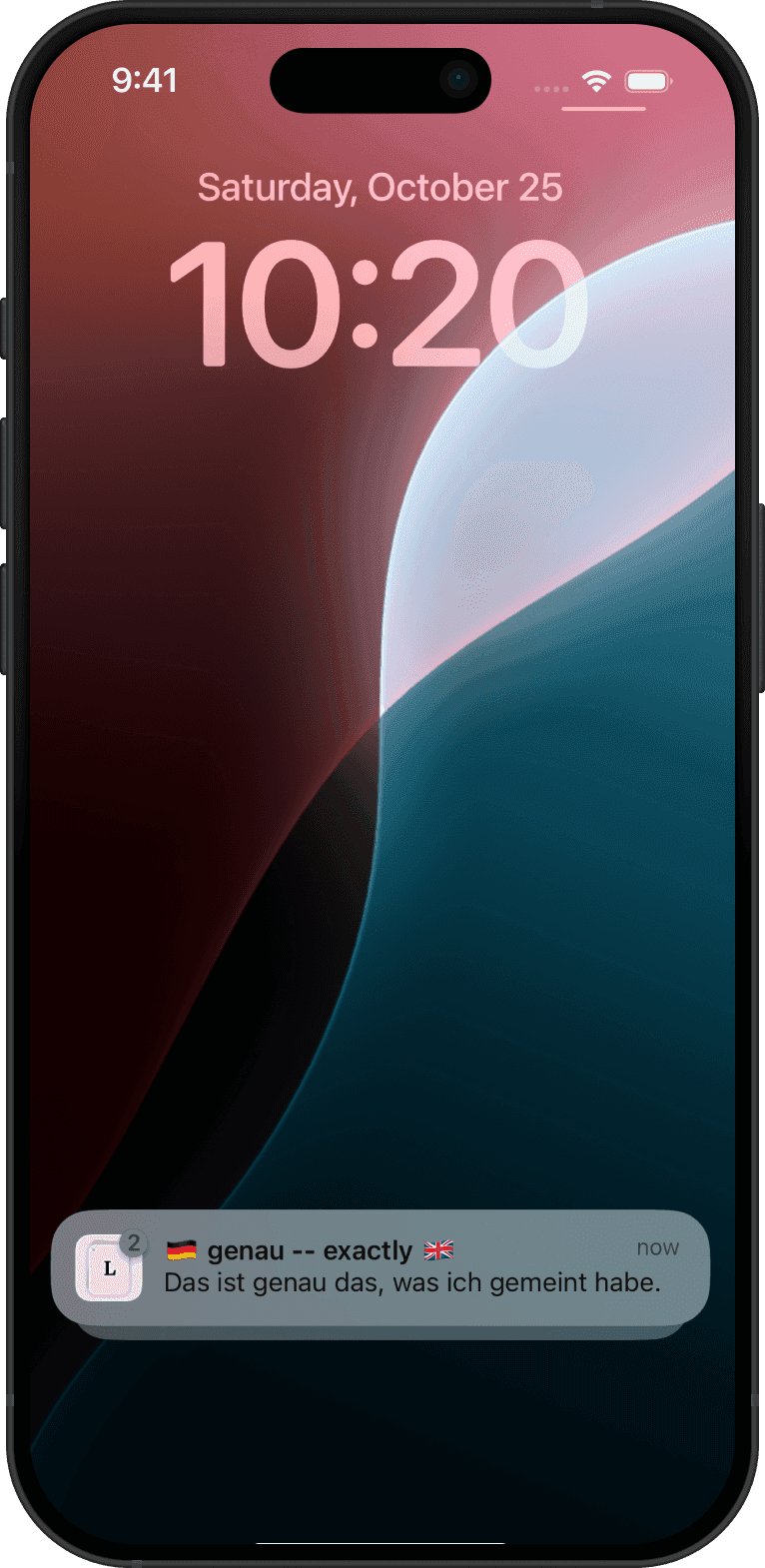
- Lingufy is purpose-built for vocabulary: 5000+ words per language with translations, examples, and pronunciations stored locally, spaced repetition computed on-device, and home-screen widgets plus Apple Watch / Wear OS review so you keep going without even opening the app. It's the most complete offline-first option for words specifically, and it's free. See how it stacks up against Anki, Memrise, and Duolingo.
- Anki is the most flexible tool here and fully offline, but you assemble or download decks yourself and the interface is utilitarian. Great if you want to engineer your own system — read the full Lingufy vs Anki comparison if you're deciding between curated and custom.
- Memrise shines for hearing words used by real native speakers, but the best features lean on streaming video, which needs a connection — so its offline mode loses what makes it special. (Lingufy vs Memrise.)
- Drops is polished and fun for short bursts, but its visual drills aren't true spaced repetition and the free tier is time-limited.
- Duolingo is excellent for staying motivated as a beginner, though offline lessons are limited (and best on a paid plan) and it teaches through courses rather than a dedicated vocabulary engine. (Lingufy vs Duolingo.)
Best for specific needs
- Best overall offline vocabulary app: Lingufy — curated words, on-device spaced repetition, widgets, and watch support, free.
- Best for full control and custom decks: Anki — unmatched flexibility if you'll invest the setup time.
- Best for listening and pronunciation: Memrise — when you have a connection for the native-speaker clips.
- Best for quick, playful sessions: Drops — short visual drills, light on retention.
- Best for gamified beginners: Duolingo — motivation first, vocabulary depth second.
How to choose
- You want words to stick long-term: pick an app with real on-device spaced repetition — Lingufy or Anki.
- You want it to just work, beautifully, offline: Lingufy.
- You want total control and don't mind setup: Anki.
- You want quick, playful sessions: Drops.
- You're an absolute beginner who needs motivation: start with Duolingo, and add Lingufy when you want the vocabulary to actually stay.
Key takeaways
- "Offline" varies widely — check that both content and spaced repetition work without a connection, not just a cached lesson or two.
- Lingufy and Anki are the only options here that run virtually everything offline, scheduling included.
- For offline vocabulary specifically, Lingufy offers the most complete out-of-the-box experience — curated words, audio, widgets, and watch support, free.
Try an offline-first approach
If learning anywhere — including with no signal — is the priority, Lingufy is built for exactly that: 5000+ words per language on-device, offline spaced repetition, glanceable widgets, and review on your wrist. New to the method behind it? Start with how spaced repetition works.
Frequently asked questions
- Which vocabulary apps work completely offline?
- Lingufy stores 5000+ words with translations, examples, and pronunciations on-device, so it works with no connection at all, including its spaced-repetition scheduling. Anki also works fully offline once decks are downloaded. Most mainstream apps such as Duolingo and Memrise require a connection for full functionality.
- Do offline apps still use spaced repetition?
- Yes. Spaced repetition is computed locally from your review history, so well-designed offline apps like Lingufy and Anki run their scheduling algorithms entirely on-device without needing the cloud.
- What is the best free offline vocabulary app in 2026?
- Lingufy is the most complete free offline-first vocabulary app: it includes 5000+ curated words per language with examples and pronunciations, on-device spaced repetition, home-screen widgets, and Apple Watch / Wear OS review — all working without a connection. Anki is the best free option if you prefer to build your own decks.
Related articles
Lingufy vs Anki: Which Vocabulary App Is Better in 2026?
Both use real spaced repetition and work offline. Anki is the customizable power tool; Lingufy is the ready-made vocabulary app. Here's how to choose.
Lingufy vs Duolingo: Which Builds Vocabulary Faster?
Duolingo is a gamified course; Lingufy is a dedicated vocabulary engine with spaced repetition that works offline. Here's which fits your goal.