
Language guide9 min read
How to Build Dutch Vocabulary from Scratch
A practical Dutch vocabulary plan for beginners: use cognates carefully, learn nouns with articles, and turn short daily reviews into usable language.
Lingufy Blog
Practical guides on learning vocabulary, spaced repetition, and mastering new languages — from the team behind Lingufy.
A practical Dutch vocabulary plan for beginners: use cognates carefully, learn nouns with articles, and turn short daily reviews into usable language.
A practical Portuguese vocabulary plan: learn useful chunks first, notice regional differences, and review enough to use words in real sentences.
A practical way to build Chinese vocabulary: connect sound, meaning, and characters, then review high-frequency words until they become usable.
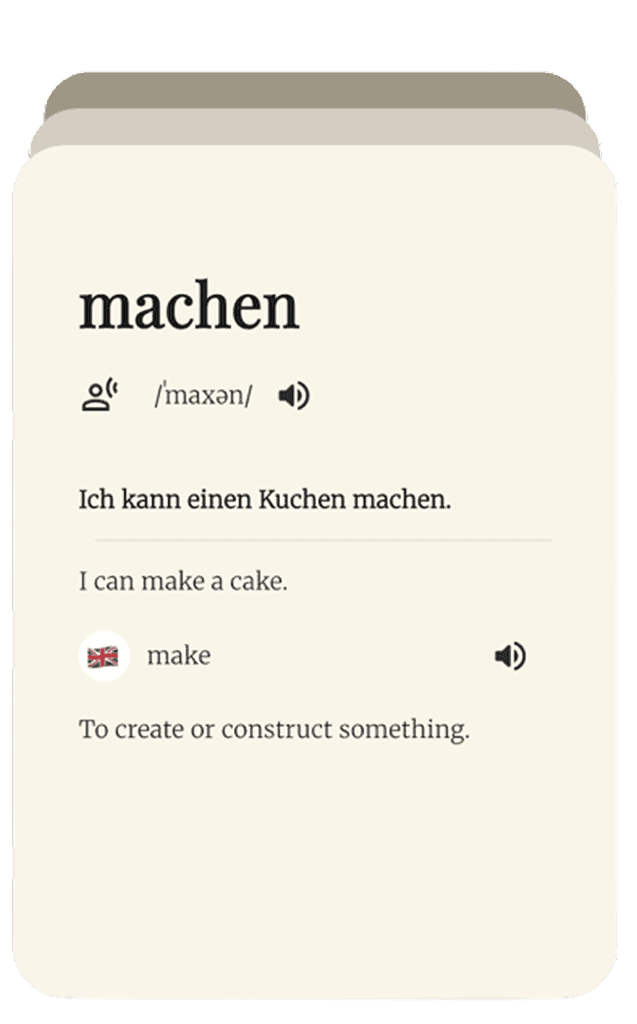
A practical, research-backed routine for learning words quickly without mistaking short-term familiarity for memory.

IELTS tests range and accuracy, not rare words. What to study, in what order, and how to reach Band 7 vocabulary before test day.
A realistic, research-aware way to set vocabulary targets without treating one word count as a promise of fluency.
Both use real spaced repetition and work offline. Anki is the customizable power tool; Lingufy is the ready-made vocabulary app. Here's how to choose.
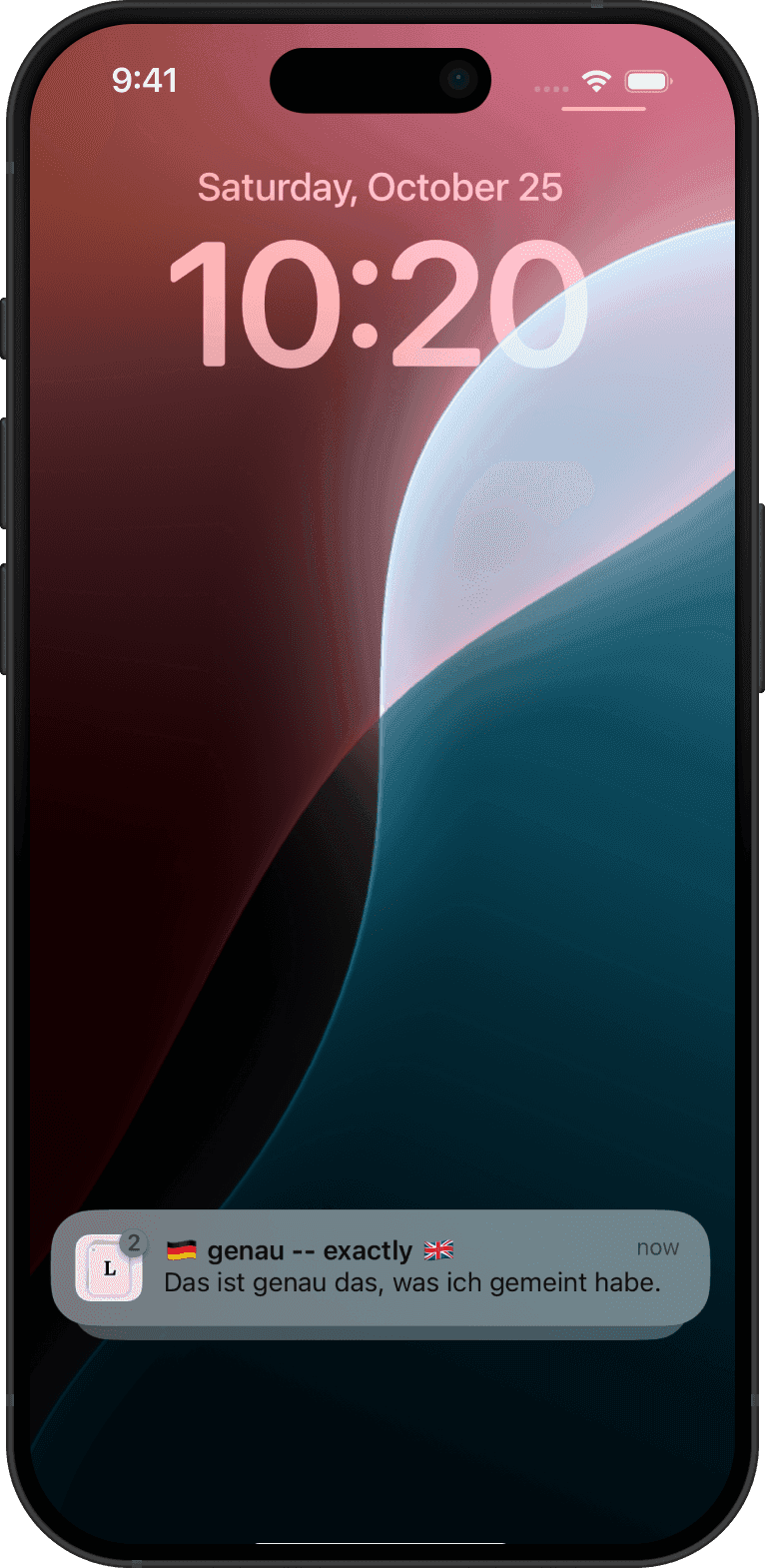
Duolingo is a gamified course; Lingufy is a dedicated vocabulary engine with spaced repetition that works offline. Here's which fits your goal.
Memrise bets on native-speaker video; Lingufy is offline-first with spaced repetition and widgets. Here's how the two vocabulary apps compare.
Quizlet is a flexible flashcard platform for any subject; Lingufy is a curated, offline language-vocabulary app. Here's which to pick.
Start reading Korean in days — learn Hangul first, lean on Konglish loanwords, and master high-frequency words and particles.
Build real spoken Japanese sooner — learn kana first, lean on katakana loanwords, and master high-frequency words before kanji.

A practical way to choose an offline vocabulary app without trusting vague “offline” labels.
The memory science behind why reviewing words at the right moment beats cramming every time — and how to put it to work.
Start understanding French sooner by learning words in the right order — high-frequency first, with cognates and gender working for you.
Start speaking sooner by learning German words in the right order — high-frequency first, with gender and cognates working for you.
Start understanding Italian sooner by learning words in the right order — high-frequency first, with cognates and gender on your side.
Start speaking sooner by learning Spanish words in the right order — high-frequency first, with cognates and patterns working for you.
The TOEFL rewards academic vocabulary. Here's what to study, in what order, and how to make it stick before test day.