Lingufy vs Memrise: Vocabulary App Comparison (2026)
Lingufy vs Memrise compared: offline support, spaced repetition, native-speaker media, and price. Which vocabulary app is right for you — and a free Memrise alternative.

TL;DR — Memrise and Lingufy are both vocabulary-first apps, but they bet on different things. Memrise leans on native-speaker video clips to teach words in real-world context — great for listening and pronunciation, but the best parts need a connection. Lingufy is offline-first: 5000+ curated words per language with on-device spaced repetition, examples, and home-screen widgets that work anywhere. Choose Memrise for immersive native-speaker audio/video; choose Lingufy for a complete offline vocabulary system.
Lingufy vs Memrise at a glance
| Lingufy | Memrise | |
|---|---|---|
| Focus | Vocabulary, offline-first | Vocabulary via native-speaker video |
| Spaced repetition | Yes (on-device) | Yes |
| Works fully offline | Yes | Partial (video features need data) |
| Native-speaker media | Audio pronunciations | Video clips of real speakers |
| Home-screen widgets | Yes | No |
| Apple Watch / Wear OS | Yes | No |
| Best for | Offline, glanceable daily vocabulary | Hearing words used by real people |
| Price | Free | Free tier; paid Pro for full access |
Where Memrise wins
Memrise's signature feature is its library of short clips of native speakers saying words and phrases in context. Hearing real people — different ages, accents, and settings — is genuinely useful for training your ear and getting pronunciation right, something static flashcards can't fully replicate. If listening comprehension and sounding natural are your priorities, that video-first approach is a real strength.
The catch is that those streaming clips lean on a connection, and the most useful content sits behind the paid Pro tier. So while Memrise technically has offline support, the feature that makes it special is the one you can't rely on when you're offline.
Where Lingufy wins
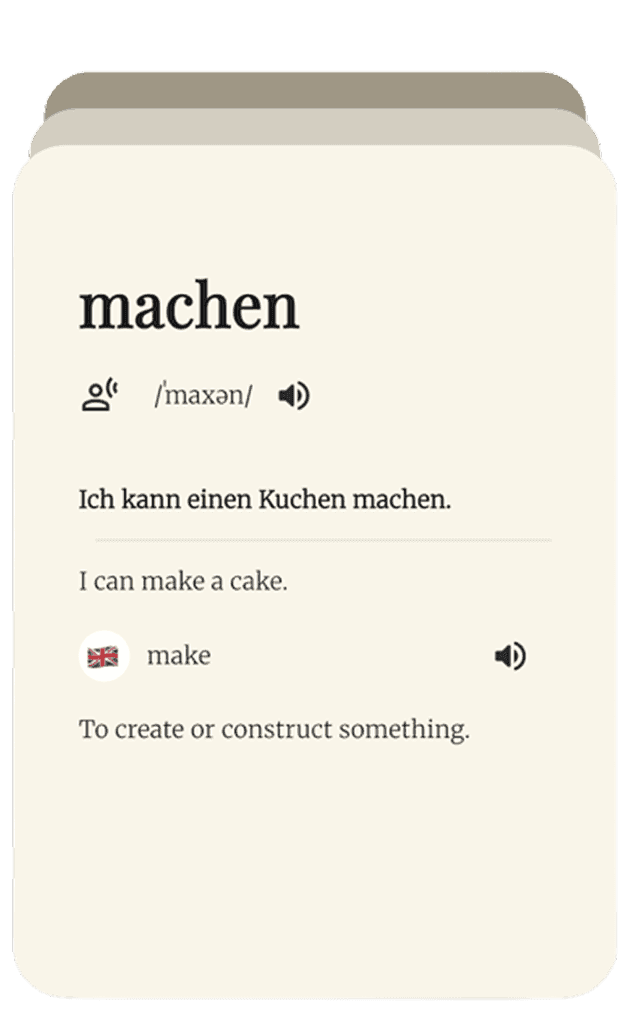
Lingufy is built so that everything works without a connection. Your 5000+ words per language — translations, example sentences, and pronunciations — are stored on-device, and the spaced-repetition scheduling runs locally too. On a plane, a subway, or off-grid, nothing stalls. (More on that in best offline vocabulary apps in 2026.)
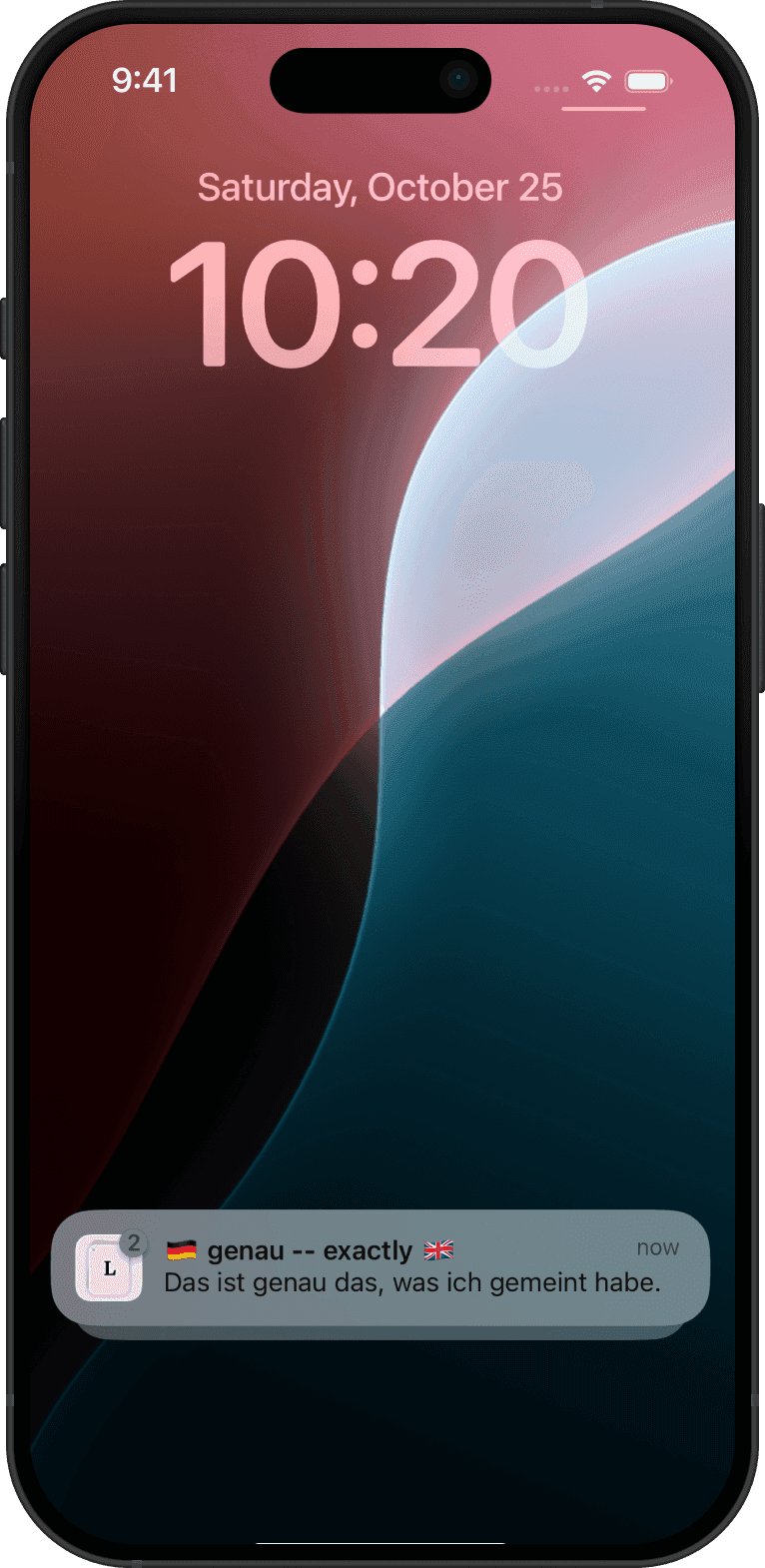
It also keeps learning ambient. Home-screen widgets surface a word at a glance, and reviews sync to Apple Watch and Wear OS, so you keep your streak alive in seconds without opening the app. For a daily, reliable vocabulary habit that never depends on signal or a subscription, that's the advantage.
Looking for a Memrise alternative?
People usually look for a Memrise alternative when they want solid spaced-repetition vocabulary without paying for Pro or relying on streaming video. Lingufy fits that need: the curated word lists, examples, and audio are free and fully offline, with widgets and watch support on top. You trade native-speaker video for a system that works everywhere, every time.
Which should you choose?
- Choose Memrise if hearing words from real native speakers in context is your top priority and you're comfortable online.
- Choose Lingufy if you want a complete, offline-first vocabulary app with spaced repetition, widgets, and watch support — free.
Both are good vocabulary tools; the deciding factor is offline reliability versus native-speaker video. If it's the former, try Lingufy free, and read how spaced repetition works to get the most out of it.
Frequently asked questions
- Is Lingufy a good Memrise alternative?
- Yes, particularly if you want spaced-repetition vocabulary without paying for Pro or relying on streaming video. Lingufy's curated word lists, examples, and audio are free and fully offline, with home-screen widgets and Apple Watch / Wear OS review on top. You trade Memrise's native-speaker video for a system that works everywhere, every time.
- What's the main difference between Lingufy and Memrise?
- Memrise's signature feature is short video clips of native speakers, which is great for listening and pronunciation but leans on a connection. Lingufy is offline-first: every word, example, pronunciation, and the spaced-repetition scheduling is stored and runs on-device, so nothing stalls without signal.
Related articles
Lingufy vs Anki: Which Vocabulary App Is Better in 2026?
Both use real spaced repetition and work offline. Anki is the customizable power tool; Lingufy is the ready-made vocabulary app. Here's how to choose.
Lingufy vs Duolingo: Which Builds Vocabulary Faster?
Duolingo is a gamified course; Lingufy is a dedicated vocabulary engine with spaced repetition that works offline. Here's which fits your goal.